Documentary films have been a powerful medium for storytelling and shedding light on important issues for decades. In Lincoln Park, Michigan, this form of filmmaking has been embraced by both filmmakers and audiences alike. However, with the rapid advancement of technology, the production and distribution of documentary films in Lincoln Park have undergone significant changes, paralleling the need for Quality Control Measures for Plastic Film Manufacture to ensure high standards in various media. Documentary films have been a powerful medium for storytelling and shedding light on important issues for decades. In Lincoln Park, Michigan, this form of filmmaking has been embraced by both filmmakers and audiences alike. However, with the rapid advancement of technology, the production and distribution of documentary films in Lincoln Park have undergone significant changes, paralleling the need for Quality Control Measures for Plastic Film Manufacture to ensure high standards in various media.
The Rise of Digital Technology
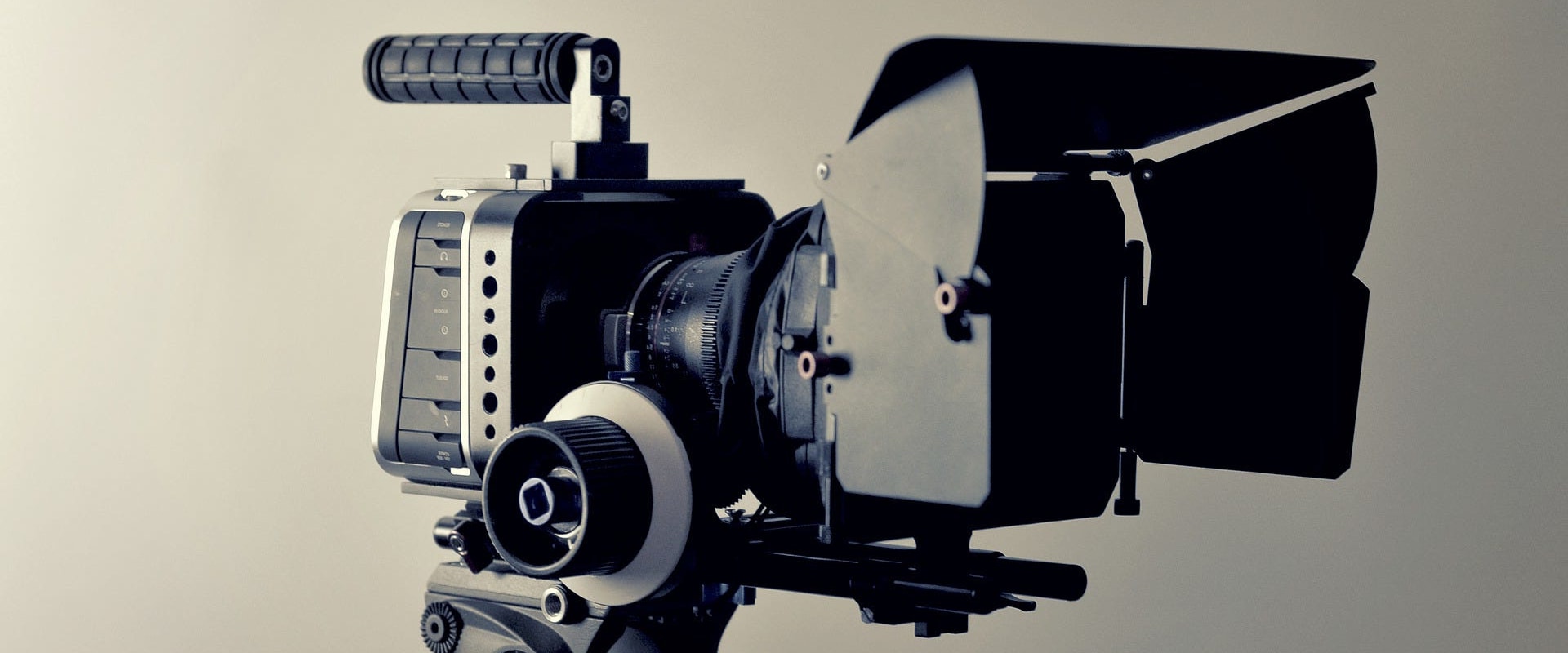
One of the most significant ways technology has affected documentary films in Lincoln Park is through the rise of digital technology. In the past, filmmakers had to rely on expensive and bulky film equipment to capture their footage.This made it difficult for independent filmmakers to produce high-quality documentaries. However, with the introduction of digital cameras and editing software, the barriers to entry have been significantly lowered. Now, anyone with a camera and a computer can create a documentary film. This has led to a surge in the number of documentaries being produced in Lincoln Park. Filmmakers are no longer limited by budget constraints and can focus on telling important stories without worrying about the cost of equipment.
The Power of Social Media
Social media has also played a crucial role in the production and distribution of documentary films in Lincoln Park.Platforms like Facebook, Twitter, and Instagram have made it easier for filmmakers to reach a wider audience. They can now share trailers, behind-the-scenes footage, and updates about their films with just a few clicks. Moreover, social media has also allowed for more direct communication between filmmakers and their audience. This has opened up opportunities for crowdfunding campaigns, where filmmakers can raise funds for their projects directly from their audience. This has been especially beneficial for independent filmmakers who may not have access to traditional funding sources.
The Shift to Online Streaming
Another significant impact of technology on documentary films in Lincoln Park is the shift to online streaming platforms.With the rise of streaming services like Netflix, Hulu, and Amazon Prime, filmmakers now have a wider audience for their films. This has also led to a change in the distribution model for documentaries. In the past, documentary films would have a limited theatrical release before being released on DVD. However, with online streaming, documentaries can reach a global audience instantly. This has not only increased the reach of these films but has also made them more accessible to audiences who may not have access to traditional movie theaters.
The Role of Virtual Reality
Virtual reality (VR) technology has also made its way into the world of documentary filmmaking in Lincoln Park.VR allows viewers to immerse themselves in the story and experience it firsthand. This has opened up new possibilities for filmmakers to tell their stories in a more engaging and interactive way. For example, the documentary "Lincoln Park: A Virtual Reality Experience" takes viewers on a journey through the city's history and landmarks using VR technology. This not only provides a unique viewing experience but also allows for a deeper understanding and connection with the subject matter.
The Challenges of Technology
While technology has undoubtedly had a positive impact on documentary films in Lincoln Park, it has also brought about its own set of challenges. With the ease of access to equipment and distribution platforms, there is now an oversaturation of content.This makes it difficult for filmmakers to stand out and get their films noticed. Moreover, with the rise of online streaming, there is also a concern about the quality of content being produced. With lower barriers to entry, there is a risk of subpar documentaries flooding the market. This can make it challenging for audiences to find high-quality, thought-provoking films.
The Future of Documentary Films in Lincoln Park
As technology continues to advance, it is clear that it will continue to shape the production and distribution of documentary films in Lincoln Park. With the rise of virtual reality, the possibilities for storytelling are endless.However, it is essential for filmmakers to strike a balance between utilizing technology and maintaining the integrity and quality of their films. Furthermore, as audiences become more accustomed to consuming content online, it is crucial for filmmakers to adapt and find new ways to reach their audience. This may involve utilizing social media, creating interactive experiences, or exploring new distribution models.
In Conclusion
Technology has had a profound impact on documentary films in Lincoln Park, Michigan. It has made it easier for filmmakers to produce high-quality films, reach a wider audience, and tell their stories in innovative ways. However, it also presents its own set of challenges that must be addressed.As we look towards the future, it is clear that technology will continue to play a significant role in shaping the world of documentary filmmaking in Lincoln Park.